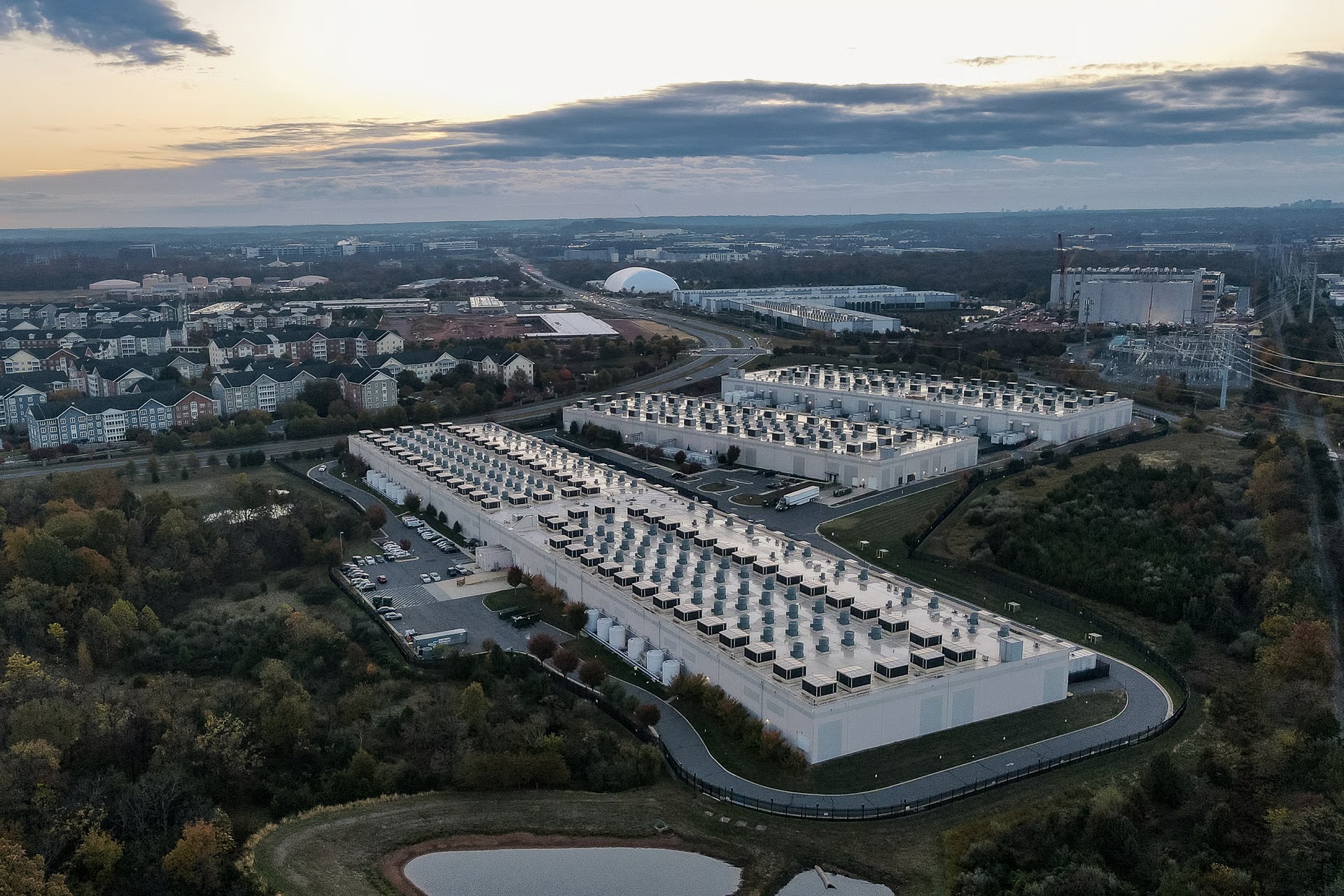
The shift in policy follows mounting criticism from activists like Erin Brockovich, who identified opaque planning processes and secret agreements as primary sources of local distrust. New York has already enacted a one-year moratorium on large data center permits, reflecting a broader trend of resistance that Garman warns could jeopardize American technological competitiveness. In a defensive blog post, the AWS executive challenged common narratives regarding water usage, electricity costs, and carbon emissions, framing data centers as vital infrastructure rather than environmental liabilities.
Garman specifically addressed the controversial carbon footprint of Amazon’s projects, including a Texas facility permitted for 33 million tons of annual carbon dioxide emissions. He insisted that backup generators remain idle 99.9% of the time, functioning primarily for maintenance. However, this technical defense faces skepticism from independent watchdogs, such as those linking data centers to a 76% price surge on the nation’s largest electrical grid. While Amazon claims to have invested $1 billion into local communities, industry observers suggest the crisis remains one of fundamental trust, where technical justifications often fail to sway skeptical residents who suspect companies are prioritizing growth over local transparency.
Comments (0)
No comments yet. Be the first!