In the report’s introduction, Meta data center vice president Rachel Peterson and global head of net zero and sustainability Blair Swedeen said the company was re-evaluating its timelines, sequencing and interim milestones, including the 2030 goal and near-term emissions-intensity targets. They said Meta would continue investing in emissions reductions and report progress annually.
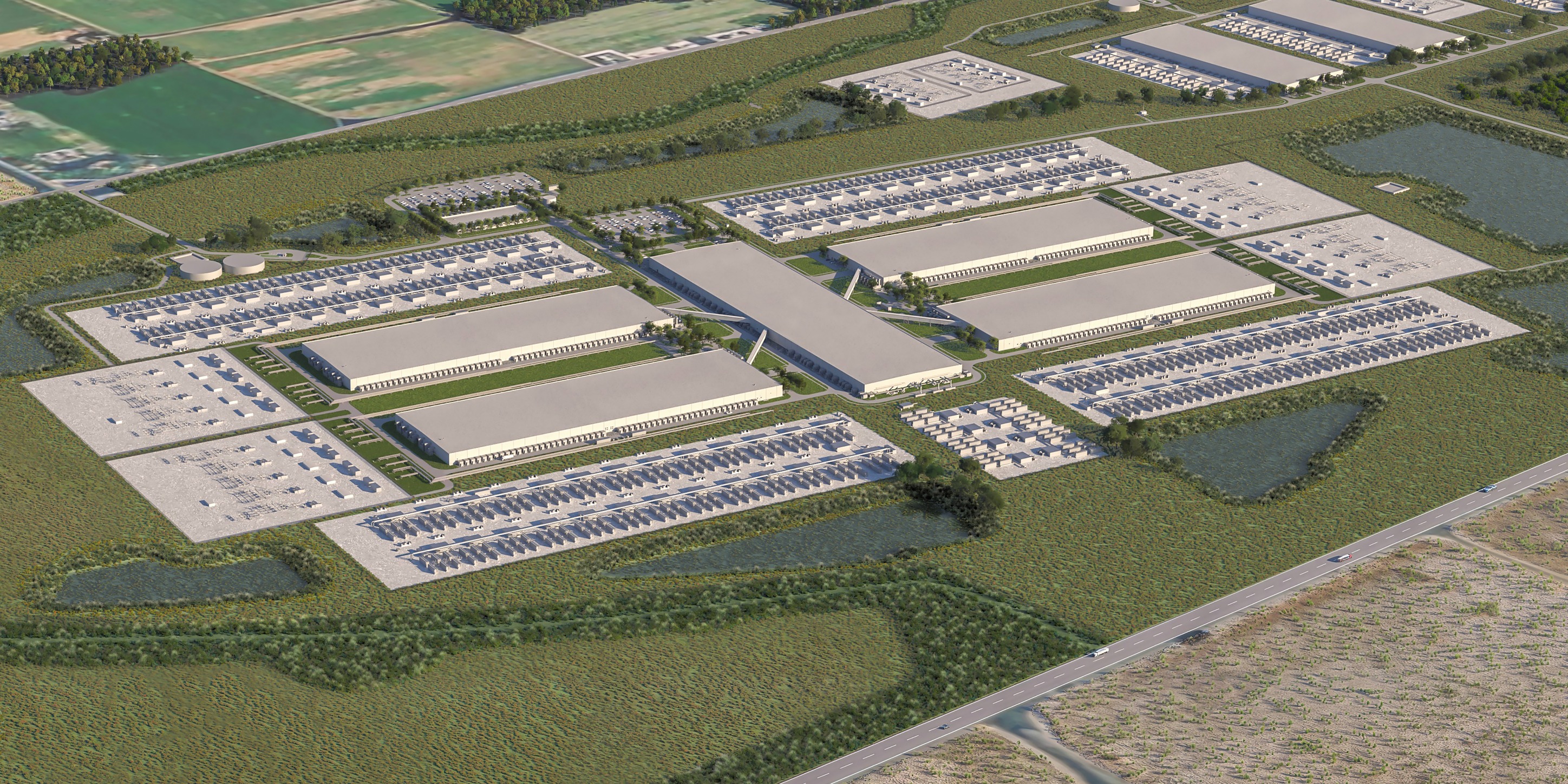
A Meta spokesperson told TechCrunch: “We remain committed to net zero, but are re-evaluating the 2030 timeline and interim milestone.” The company had previously been a major purchaser of clean power and set water-conservation goals. But its multibillion-dollar plan to use natural gas at the Hyperion data center in Louisiana has prompted criticism. The source article notes that methane leaks from the infrastructure needed to produce and deliver gas can worsen its climate impact.
Meta’s greenhouse gas emissions have more than doubled in four years. Data center emissions rose more than 12 times between 2024 and 2025, before Hyperion has come online. In July, Meta also left RE100, a corporate renewable-energy initiative it had belonged to for a decade, after the group introduced more rigorous reporting requirements for renewable-energy targets.
Peterson and Swedeen said AI infrastructure demand had accelerated far faster than anticipated, with projects proceeding on a timeline of quarters rather than decades. The article argues that the expansion was a choice, not an inevitability, and questions whether AI will generate enough profit to justify the scale of investment. CEO Mark Zuckerberg has expressed optimism that improving the energy efficiency of Muse will help, while Meta is betting on a data center project costing more than $200 billion.
The article also challenges natural gas as a fit for AI data centers, whose power needs can fluctuate, while gas turbines operate best at steady output. It points to batteries, grid connections and emerging long-duration storage and geothermal technologies as alternatives that could become more competitive by the mid-2030s. It warns that abandoning the 2030 target could deepen public distrust of voluntary corporate climate pledges and invite tougher regulation affecting the wider tech industry.
Comments (0)
No comments yet. Be the first!