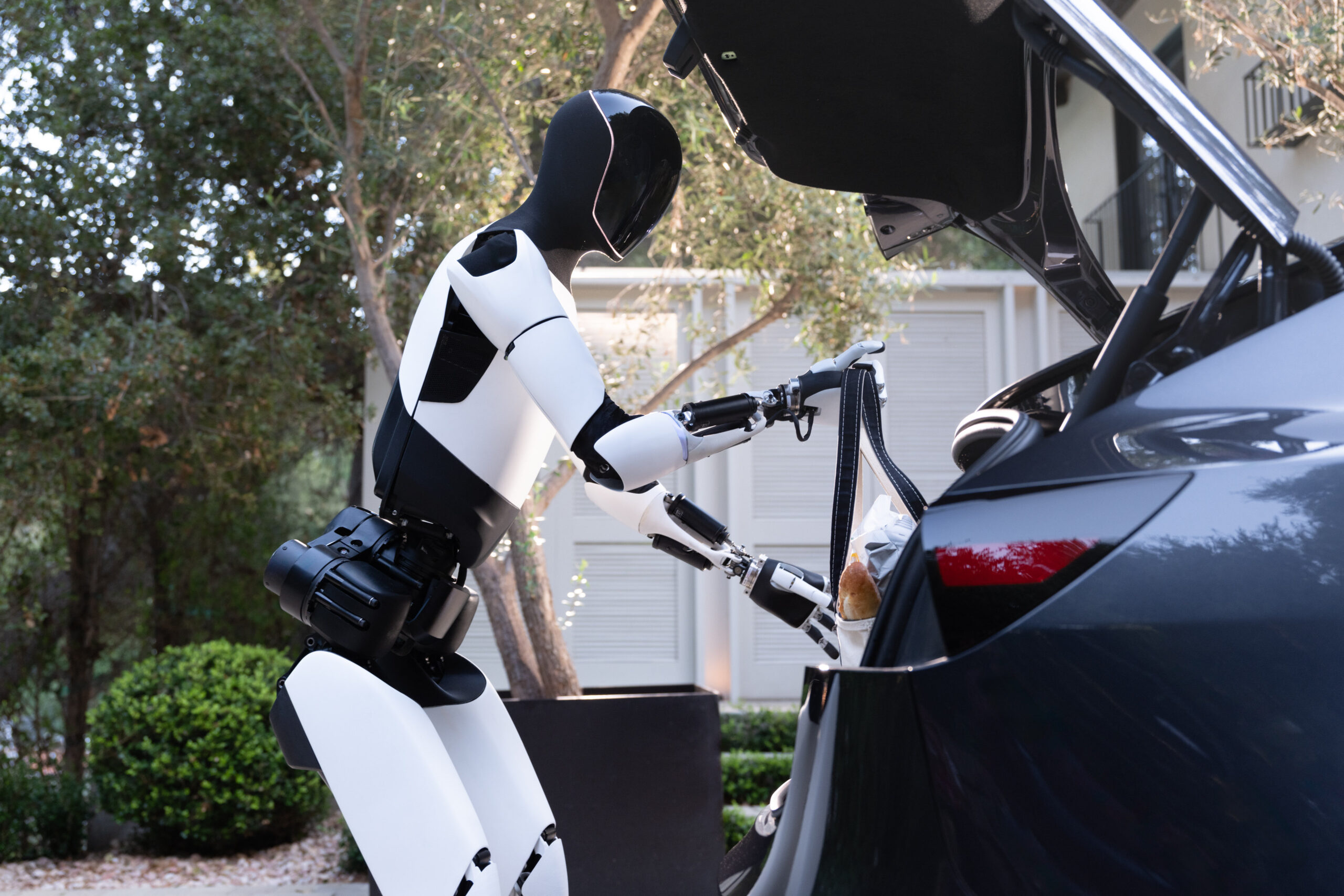
When Tesla unveiled its Optimus robot, I, Robot director Alex Proyas joked, “Can I have my designs back, please?” The exchange points to a larger question: if engineers are making ideas from old films real, who is imagining the technologies still ahead of us?
The argument is not that technical expertise matters less. It is that building a technology and recognizing what is worth building are different skills. Entrepreneurs, the article argues, need to see what people may want and bring together the talent to deliver it. Star Trek offers an earlier example of creative vision: its communicators, voice-operated computers and medical scanners anticipated devices that later became commonplace, without serving as engineering blueprints.
AI is lowering the cost of producing work that once required teams, specialist equipment and substantial resources. Quantum computing promises further gains in processing capability. But access to tools alone does not produce innovation; the advantage goes to people who can imagine how to use them. The World Economic Forum’s Future of Jobs Report 2025 listed creative thinking among the most important skills for the future workforce.
That creativity can come from outside traditional technical careers. Filmmakers, storytellers, designers, musicians and architects may help envision new experiences and industries, while engineers make those visions possible. The article also argues that education should prepare people to experiment and invent, rather than only enter established industries and follow familiar career paths.
The author warns that public debate about technology often centers on job losses and other risks. Those concerns deserve attention, the article says, but should not crowd out questions about what new problems technology can solve. Human imagination, empathy and lived experience remain central to that work: machines may identify patterns or generate polished productions, but the author says meaning comes from human experience.
Comments (0)
No comments yet. Be the first!